
A Soldier at Waterloo
Occasionally, family history research uncovers individuals who were involved in major historical events. One such case revealed an ancestor who served in the campaigns against Napoleon and was present at the Battle of Waterloo.
James Turner, a 22 year old from Staffordshire, enlisted into the 1st Regiment of Foot Guards in 1798, and he served with their 2nd Battalion during the Peninsular War, where he saw action in Spain, including at the Battle of Barrosa in 1811, where the Foot Guards distinguished themselves against French troops.
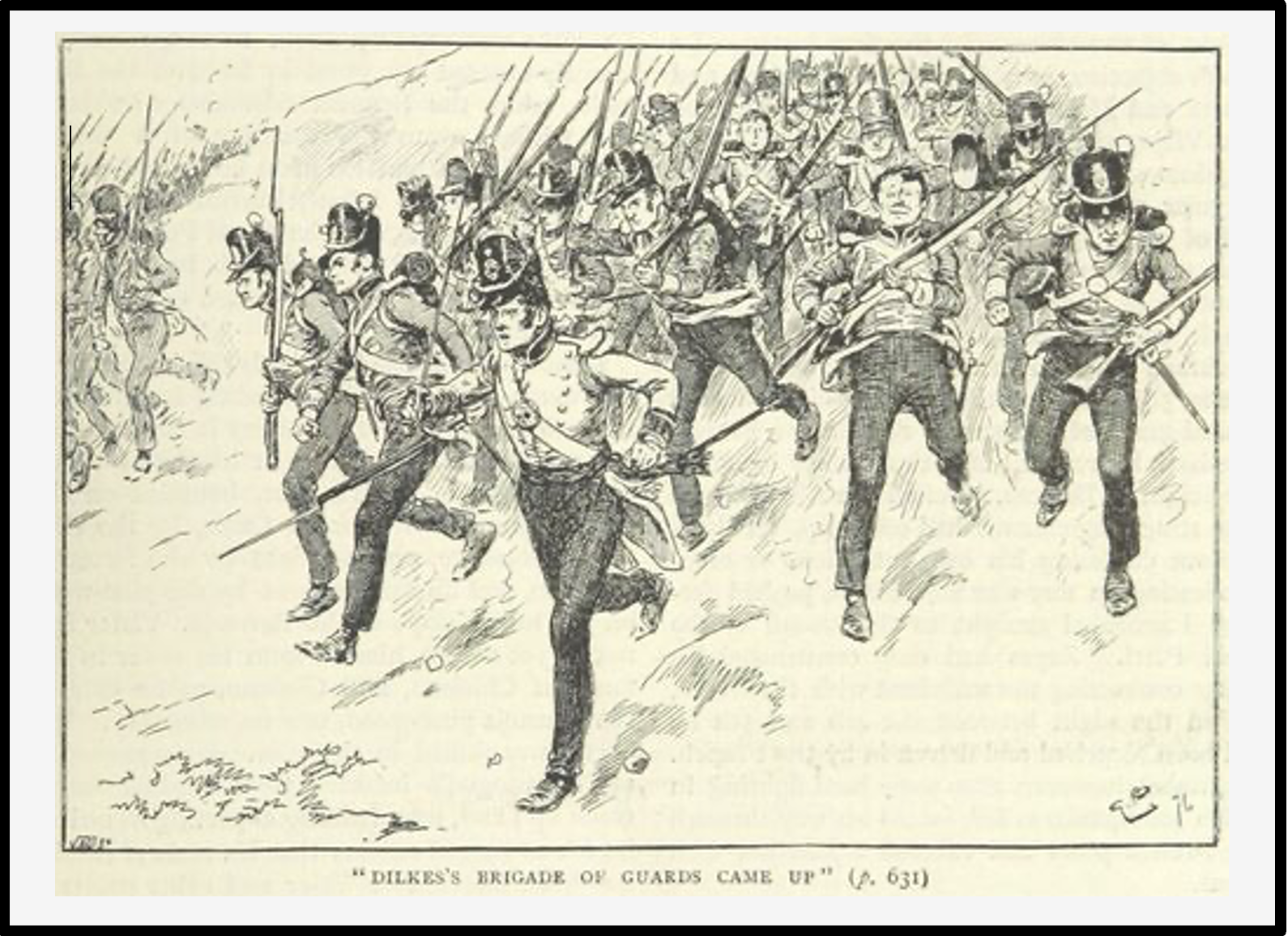
Depiction of the Foot Guards at the Battle of Barrosa
Following Barrosa, James and the 2nd Battalion returned to England, but they were back in Europe by 1814, where they were in action against French forces again, and in 1815, they were deployed to Belgium, where they would confront Napoleon’s army at the Battle of Waterloo, arguably the most important land battles in European history.
At Waterloo, the Foot Guards were heavily engaged in the fighting, most notably against the elite French Imperial Guard, with the notorious and much feared French Grenadiers within their ranks, and they were victorious, earning themselves the recognition of the King and a new regimental title of the 1st or Grenadier Regiment of Foot Guards, or the Grenadier Guards as we know them today.
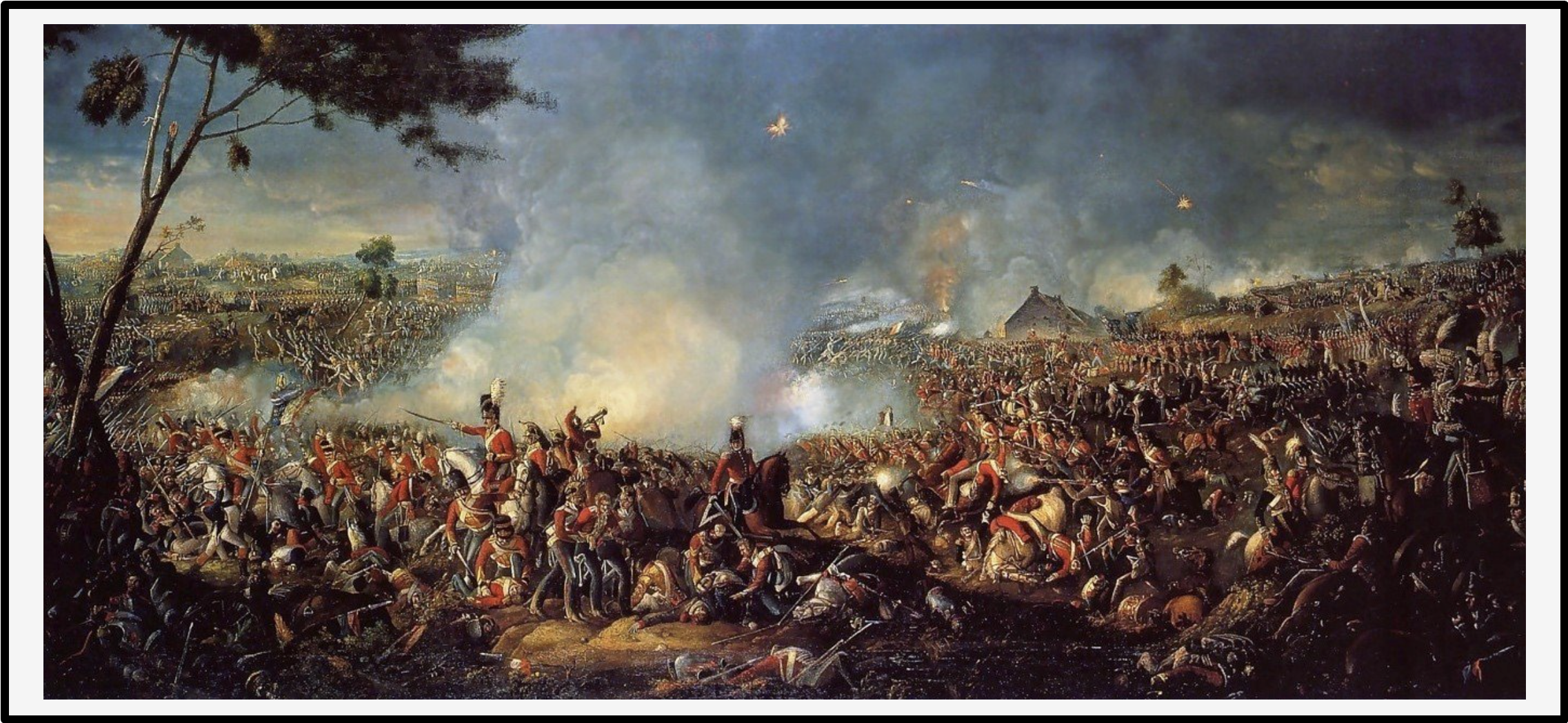
William Sadler’s depiction of the Battle of Waterloo
James’s presence at Waterloo is confirmed through a surviving muster roll of those of soldiers who were present at the battle, and a later discharge document suggests he suffered serious injury during his service, the loss of an eye, that was possibly sustained during the battle itself.
Having an ancestor who served at Waterloo is a significant thing, something any family would be proud to have, with the individual in question being at the centre of one of most defining moments in British history.
In case studies, some names and identifying details, where appropriate, have been altered to preserve the privacy of the families involved, while the research and historical context is entirely accurate.